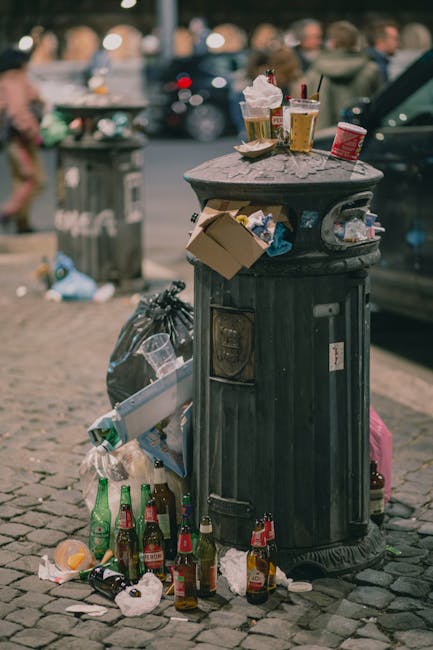
Rubbish clearance challenges Canning Town high rise flats
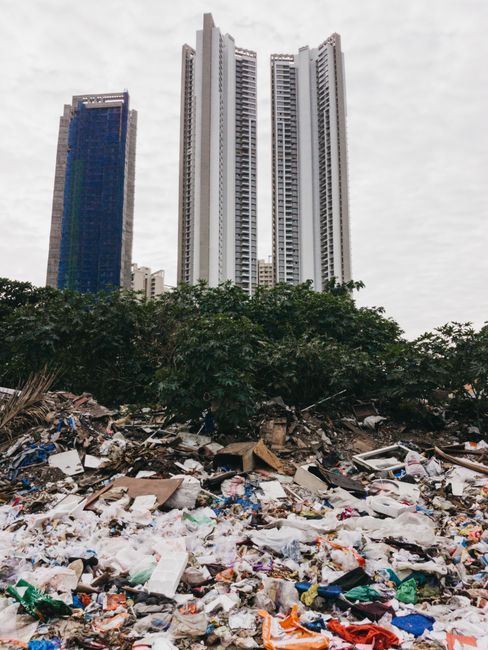
If you live or work around Canning Town, you already know the basic problem: rubbish clearance in high rise flats is never as simple as carrying a bag to the kerb. Lifts are shared, access is tight, bin stores fill up fast, and one awkward sofa can turn into a whole afternoon. That is exactly why understanding the rubbish clearance challenges Canning Town high rise flats throw up can save time, stress, and a few headaches. In this guide, we'll walk through the practical issues, the best ways to handle them, and what to watch out for when you need a clean, safe, efficient clearance.
To be fair, most people only notice the challenge when they are standing in a narrow hallway with a broken wardrobe and nowhere sensible to put it. Been there, seen that. The good news is that with the right plan, even a difficult flat clearance can feel straightforward.
Why rubbish clearance in Canning Town high rise flats matters
High rise living changes the whole shape of waste removal. In Canning Town, many flats sit in busy, shared buildings where residents all rely on the same lifts, corridors, and bin rooms. That means one person's clear-out can affect everyone else if it is not handled properly. A blocked fire exit, an overloaded lift, or rubbish left in a corridor is more than an inconvenience; it can become a safety issue and a nuisance for neighbours.
There is also the matter of time. Flat clearance in a tower block often takes longer than people expect because items have to be moved carefully, floors may be protected, and building access can be restricted at certain hours. If you are working around tenants, landlords, letting agents, or building managers, the clearance needs to be organised, not improvised.
Another reason it matters is simple pride in the place. A cluttered bin store, a pile of old furniture near the lift, or waste left waiting for collection can make a building feel neglected. And let's face it, nobody wants that smell drifting through the lobby on a warm afternoon.
Expert summary: In high rise flats, the real challenge is not just removing waste. It is removing it safely, quietly, and in a way that respects shared access, neighbours, and building rules.
If the rubbish includes bulky furniture, mixed household waste, or items that need specialist handling, a service designed for flat clearance is often a better fit than trying to manage everything yourself.
How rubbish clearance works in high rise flats
Good rubbish clearance in a tower block usually starts with a quick assessment. What needs removing? How much space is available? Is there lift access? Can a vehicle park close enough for easy loading? The answers shape the whole job. A one-bed flat with a few bags is very different from a full clear-out after a move, a refurbishment, or a tenant changeover.
In practice, the process often looks like this:
- Initial review of the items, access, and any building restrictions.
- Sorting into reusable, recyclable, and non-recyclable material where possible.
- Safe movement through the property using protective handling and careful lifting.
- Loading into the vehicle in a way that keeps heavy and awkward items under control.
- Responsible disposal through approved waste channels, recycling routes, or specialist handling if needed.
That sounds straightforward on paper. In a high rise, though, the devil is in the details. Shared lifts can be slow or busy, corridors can be tight, and some items simply do not fit without partial dismantling. A mattress, a wardrobe, or an old fridge can become a mini puzzle. Not a fun puzzle, either.
Where larger mixed loads are involved, a broader waste removal service may be more suitable than a simple bag-and-go collection, especially if there are multiple item types to separate.
If the clear-out includes a damaged sofa, it can help to plan for dedicated mattress and sofa disposal so bulky soft furnishings do not hold the job up.
Key benefits and practical advantages
When a high rise rubbish clearance is planned properly, the benefits are immediate. You free up space, reduce fire and trip risks, and remove the background stress of living around clutter. But there are some quieter advantages too, the ones people only appreciate once the job is done.
- Less disruption to neighbours: A controlled clearance is quieter and tidier, which matters in shared buildings.
- Safer walkways: No one wants bags, boxes, or broken furniture sitting in corridors.
- Faster turnover for landlords and agents: If a flat is being prepared for re-let, delays quickly add cost and hassle.
- Better recycling outcomes: Sorted waste has a better chance of being recovered responsibly.
- Reduced lifting risk: Heavy items are much easier to move with the right team and equipment.
There is also peace of mind. A proper clearance service should handle awkward items without turning your day into a saga. In our experience, that alone is worth a lot. Nobody enjoys wrestling a broken chest of drawers down twelve floors while the lift decides to take a lunch break.
Who this is for and when it makes sense
This kind of clearance is not only for people who are moving house. In fact, some of the most common situations are surprisingly ordinary.
- Residents clearing out a flat after a long build-up of clutter.
- Landlords dealing with end-of-tenancy waste or abandoned items.
- Letting agents needing a quick turnaround between occupiers.
- Property managers trying to keep bin areas and communal spaces under control.
- Families helping someone downsize from a high rise flat.
- Contractors removing leftover waste after light refurbishment or decorating work.
It also makes sense when you have more than a few bin bags. If the clearance includes wardrobes, desks, appliances, or old beds, then trying to do it yourself can become a drawn-out job with multiple trips and a fair bit of frustration. There is a point where DIY stops being economical and starts being a test of patience.
For office-style clearances in mixed-use developments, an office clearance approach may be useful if the waste includes desks, chairs, filing units, or business equipment.
Step-by-step guidance
If you want a smoother process, the key is to prepare before anyone starts lifting. That sounds obvious, but it is where a lot of people slip up.
1. Identify everything that needs to go
Walk through the flat room by room. Separate general rubbish from bulky items and make a note of anything that needs special handling, such as appliances, electronics, sharp material, or confidential paperwork. A quick list saves time later.
2. Check access before collection day
Ask the building manager about lift access, loading bays, parking restrictions, and any booking rules. Some buildings need advance notice for larger collections. If the lift is out of service, plan for stairs only if the items and the team can safely manage that. Safety first, always.
3. Protect the route
In a high rise, items can brush against walls, door frames, and lift interiors. Put down floor protection where needed. Use blankets or wraps for furniture. One scuffed wall in a freshly painted corridor can become a very awkward conversation.
4. Remove items in the right order
Start with smaller items that clear space, then move to larger pieces. This creates room for safer handling. If a wardrobe or bed frame needs dismantling, do that before trying to drag it through narrow halls.
5. Separate special waste
Fridges, freezers, and some appliances should not be treated like ordinary junk. If those are part of the load, ask about fridge and appliance removal. If the waste contains materials that may be hazardous, handle it separately and carefully.
6. Confirm final disposal route
Responsible clearance should end with proper disposal, recycling, or reuse where possible. That matters not just for compliance, but because it is the decent thing to do. Waste does not magically disappear, sadly.
Expert tips for better results
A few small decisions can make the entire job easier. These are the details that do not sound exciting, yet they save time and reduce risk.
- Book the right time of day. Mid-morning or early afternoon often works better than rush hour, especially in busy parts of Newham.
- Pre-sort before the team arrives. Put papers, soft items, and bulky furniture into separate areas if possible.
- Clear the lift lobby. Every extra obstacle slows movement and increases the chance of damage.
- Measure large furniture. A sofa that "should fit" is not the same as one that actually fits. You know how that goes.
- Keep bin-store access in mind. If waste is temporarily staged near the bin area, make sure it does not block access for other residents.
- Ask about recycling first. It is usually better to divert usable or recyclable material before everything is treated as mixed waste.
One often-overlooked tip: take photos of the items and access points before clearance day. They help with planning, and if there is a dispute about what was removed, you have a clear record. Simple, but handy.
If you are clearing a flat after years of accumulated belongings, it may be worth pairing the work with a broader home clearance plan so the space is dealt with in a more orderly way.
Common mistakes to avoid
High rise rubbish clearance is one of those tasks where the obvious mistakes are exactly the ones people make under pressure. Usually because they are trying to be quick. Fair enough, but quick can turn messy fast.
- Ignoring building rules: No lift booking, no parking check, no notice to management. That can derail the job before it starts.
- Underestimating bulky items: Sofas, beds, wardrobes, and appliances almost always need more planning than bags of rubbish.
- Mixing different waste types: Hazardous items, electricals, and general rubbish should not all be treated the same.
- Leaving rubbish in communal areas: This can create complaints and, in some buildings, may breach house rules.
- Skipping a recycling check: Throwing everything in together is easy, but not especially responsible.
- Trying to do everything alone: One person, one lift, one awkward mattress. It rarely ends well.
A smaller but common error is not planning for what happens after the clearance. Once the rubbish is gone, do you need a deep clean, a repair, or a second visit for leftover items? It is better to think one step ahead.
Tools, resources and recommendations
You do not need a warehouse full of gear to manage a flat clearance properly, but the right tools do make a visible difference. Think of them as the unglamorous helpers in the background.
Useful clearance tools and materials
- Heavy-duty sacks and boxes for mixed waste
- Furniture blankets or wraps for protecting lifts and walls
- Gloves and closed-toe footwear for safer handling
- Simple labels or marker pens for sorting items
- Basic dismantling tools for flat-pack or modular furniture
- Tape and dust sheets for keeping routes tidy
Practical service pages to know about
Depending on what you are clearing, a few related services can be helpful. For example, if the flat contains old shelving, chairs, tables, or other household items, a dedicated furniture clearance or furniture disposal service can simplify things. If the job involves a bigger property or a full household move, a broader house clearance may be more appropriate.
For residents or managers who want more context on operations, standards, and service approach, it can also help to look at the company's about us and insurance and safety information. When trust matters, those pages should not be skimmed. They tell you a lot about how seriously a provider takes the job.
And if you are comparing budgets or need a clearer idea of the next step, the pricing and quotes page is a sensible place to start.
Law, compliance, standards, and best practice
Rubbish clearance in high rise flats is not just about tidiness. There are compliance and safety expectations too, even when the job looks small on the surface. In the UK, waste should be handled responsibly, and duty of care applies in practical terms: you want to know that waste is being moved, sorted, and disposed of properly.
In a shared building, fire safety and access are especially important. Corridors, stairwells, and lifts must remain usable. Waste left in communal areas can create hazards and can also upset building management or residents, which is never ideal. If anything sharp, contaminated, or potentially harmful is involved, extra caution is needed.
For example, electrical appliances should be treated carefully, and items that may contain gas, oils, or other risky components should not be guessed at. If in doubt, separate them and ask for specialist handling. That is where a service with a clear hazardous waste disposal process becomes relevant.
Best practice also means respecting shared access. Do not block fire exits. Do not abandon bags in a lobby. Do not leave the lift smelling like an old skip on a hot day, because nobody wants that. Building rules may vary, but the general principle is always the same: keep routes clear, keep noise reasonable, and remove waste without creating a problem for other people.
If confidentiality matters, such as with documents from a home office or a landlord's paperwork, a proper confidential shredding approach is worth considering rather than mixing papers into general rubbish.
Options, methods, or comparison table
There is no single best method for every high rise clearance. The right option depends on the volume of rubbish, the type of items, and how much access you have. Here is a simple comparison to make the choice easier.
| Method | Best for | Pros | Limitations |
|---|---|---|---|
| Self-clearing with building bins | Very small amounts of waste | Cheap, flexible | Slow, physically demanding, can overload communal bins |
| DIY van hire | Residents with time and lifting help | Control over timing | Parking, loading, disposal, and handling all fall on you |
| Specialist flat clearance | Bulky items, mixed waste, limited access | Faster, safer, less disruption | Costs more than doing it yourself, though often better value overall |
| Targeted item removal | Single items like a sofa, mattress, or appliance | Simple and focused | Not ideal for full-property clearances |
For many Canning Town flats, the third option is the most realistic. Shared buildings reward efficiency. The less time waste spends in corridors or lifts, the better for everyone.
If you already know the load is mostly household clutter rather than furniture, a general waste removal approach may still be suitable. If it is mainly old sofas or tables, the more specific service pages are usually the better match.
Case study or real-world example
Here is a typical real-world scenario. A resident in a Canning Town tower block is moving out after several years in the same flat. The property has a tired bed frame, a worn sofa, two broken office chairs, bags of mixed household rubbish, and a fridge that no longer works. The lift is shared with other residents, the building has a narrow corridor, and parking outside is limited by the road layout.
On paper, it sounds like a simple clear-out. In reality, it needs a plan.
The job goes better when the items are grouped in advance. The fridge is separated for appliance handling. The sofa and bed frame are treated as bulky furniture. Small loose waste is bagged and stacked neatly away from the exit path. The team checks access with the building manager, protects the lift floor, and avoids peak times so neighbours are not constantly waiting. Nothing dramatic. Just calm, careful work.
What makes the difference here is not brute force. It is coordination. By the time the last bag is gone, the flat feels lighter, the corridor is clear, and the moving day stress drops a notch. Sometimes two notches.
If the clearance is connected to an end-of-tenancy change, pairing the work with flat clearance and, where needed, fridge and appliance removal keeps the process tidy and avoids separate bookings for everything.
Practical checklist
Use this before the clearance starts. It is short, but it covers the important bits.
- List every item that needs removing.
- Separate general waste, furniture, appliances, and anything sensitive.
- Check lift access, stair access, and parking restrictions.
- Tell building management if the clearance affects communal areas.
- Protect floors, walls, and lift interiors where needed.
- Confirm whether any items need specialist disposal.
- Prepare safe walkways from the flat to the exit.
- Decide in advance whether the job is DIY or needs professional support.
- Keep documents and valuables separate from waste.
- Double-check what remains once the main clearance is done.
Quick takeaway: If the route is narrow, the waste is bulky, or the building has strict access rules, a planned clearance will save more time than a rushed one ever could.
Conclusion
Rubbish clearance challenges in Canning Town high rise flats usually come down to access, safety, and coordination. The waste itself is only part of the job. The real work is moving it through shared spaces without creating extra problems for neighbours, building managers, or yourself.
When you plan properly, sort items before collection, and use the right type of clearance service, the whole process becomes much more manageable. That is true whether you are dealing with one old sofa, a pile of clutter after a move, or a full flat clear-out that needs a careful hand.
Get a free quote today and see how much you can save.
And if you are still at the "where do I even start?" stage, that is completely normal. Start with the items, then the access, then the plan. The rest tends to follow.
Frequently Asked Questions
What makes rubbish clearance in Canning Town high rise flats so difficult?
The main issues are shared lifts, narrow corridors, limited parking, and the need to avoid disrupting neighbours. Bulky items make it even harder.
Can I leave rubbish in the communal bin store?
Only if it is permitted by the building rules and the waste fits safely without blocking access. Large piles or dumped furniture usually create problems very quickly.
Do I need special help for a sofa or mattress?
Usually, yes. Bulky soft furnishings are awkward to move and often need a more targeted collection approach, especially in tower blocks.
What should I do with an old fridge or freezer?
These items should be separated and handled properly because appliances can contain components that need specific treatment. A dedicated appliance removal option is the safer route.
Is it better to book a flat clearance or general waste removal?
If you are clearing a whole flat or several rooms, flat clearance is usually the better fit. If it is just mixed rubbish or a smaller load, general waste removal may be enough.
How can I reduce disruption to neighbours?
Book at sensible times, keep routes clear, avoid blocking lifts and fire exits, and remove waste in one organised visit if possible. Quiet, tidy work makes a big difference.
What if my building has strict access rules?
Speak to the building manager first. Find out about lift bookings, parking, loading bays, and any restrictions before you schedule the clearance.
Can furniture be reused or recycled?
Sometimes, yes. It depends on condition and material. Good-quality pieces may be suitable for reuse, while damaged items are more likely to be dismantled and recycled where possible.
What happens if there are hazardous items in the flat?
Separate them immediately and do not mix them with general rubbish. Hazardous items should be handled carefully and only through the appropriate disposal route.
How do I prepare for a flat clearance if I live on a high floor?
Sort items in advance, measure bulky furniture, check lift access, and make sure the path to the exit is clear. A little preparation saves a lot of effort later.
Is it worth using a professional service instead of doing it myself?
If the flat is high up, the items are heavy, or the access is awkward, yes, it often is. Professional clearance can be faster, safer, and less stressful than trying to manage everything alone.
Where can I learn more about how the company handles safety and recycling?
You can review the available information on health and safety policy and recycling and sustainability to understand the approach in more detail.